
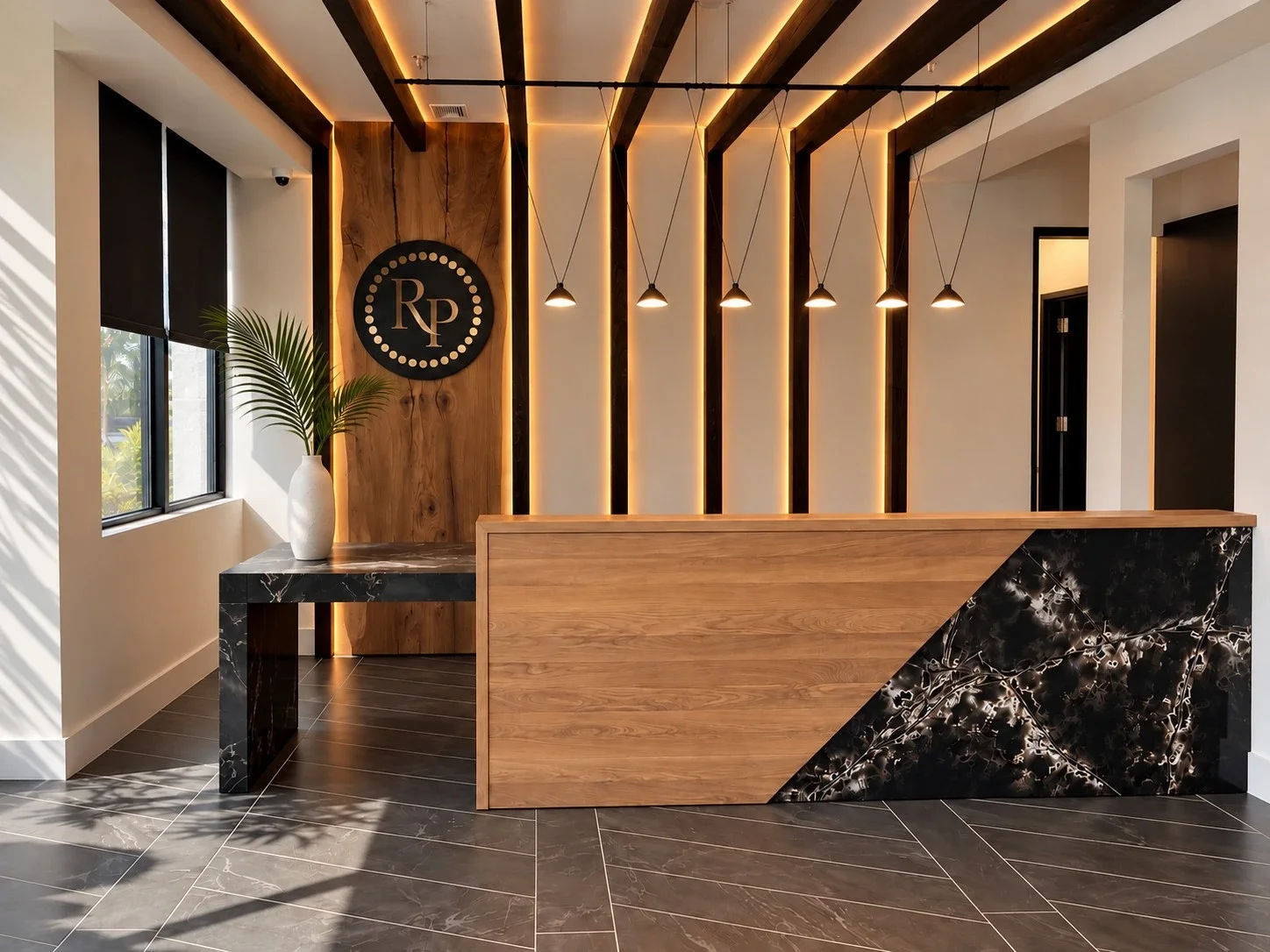
Custom fabrication in interior design is the process of turning a one-of-a-kind idea into a buildable, installed element. It requires a clear purpose, design development, technical information, the right specialists, disciplined review, site coordination, fabrication, delivery, and installation. Domina Design manages that sequence so the original idea remains intact from the first sketch through the final connection on site.
The custom fabrication process at a glance
1. Define why the element needs to be custom and what it must accomplish.
2. Develop the concept into dimensions, materials, finishes, and buildable details.
3. Select specialists with the right capabilities for the design and materials.
4. Review proposed execution and coordinate changes with the larger project.
5. Prepare the site, delivery path, utilities, support, and installation sequence.
6. Fabricate, deliver, install, and confirm that the finished element protects the approved intent.
Custom work begins with a reason
The first question is not, 'What can we make?' It is, 'Why does this need to be custom?' Sometimes the right piece does not exist at the correct scale. Sometimes the architecture requires an unusual solution. A client may need a specific function, material relationship, or visual effect that cannot be achieved with a standard product.
Custom fabrication should solve a real design problem or create meaning that the room would not have otherwise. Without that clarity, complexity can become expensive decoration. With a clear purpose, the custom element can strengthen how the space functions, how it relates to the architecture, and what the client experiences every day.
The concept has to become buildable
A sketch can communicate the intention, but a fabricator needs dimensions, materials, connections, tolerances, finishes, adjacent construction, and installation conditions. The concept must become drawings and decisions that specialists can price, test, fabricate, and install.
For architectural woodwork, the Architectural Woodwork Institute's standards illustrate the same sequence by addressing materials, construction, installation, and performance. In practice, that means confirming details, documenting decisions, and maintaining clear follow-through from drawing review through installation.
Consider a custom light fixture. The idea may begin as a sketch, then move through shop drawings, bronze finish samples, a site mockup, and final installation. Along the way, the team must confirm structure, power, weight, mounting, scale, clearances, and how the fixture meets the ceiling. Those details are almost invisible in the finished photograph, but they determine whether the piece feels inevitable or improvised.
Resolving these questions early protects the design from being simplified in the field because the team did not have enough information.
The right fabricator matters as much as the right idea
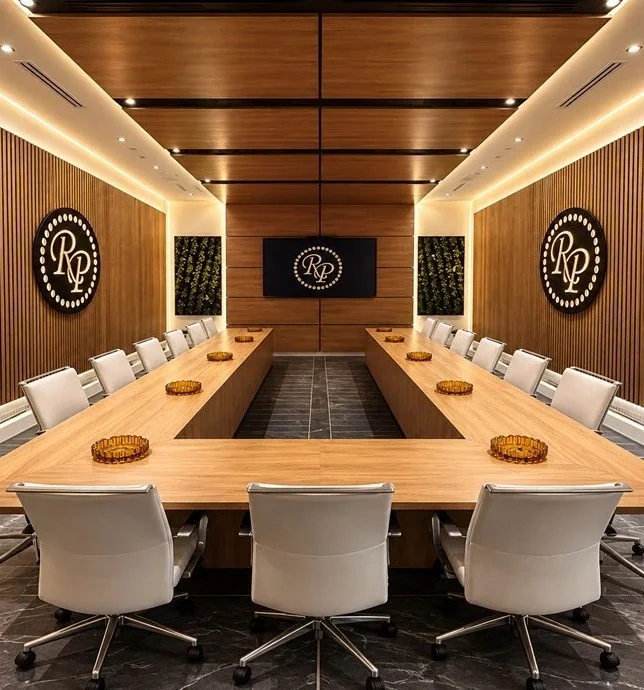
Different shops have different capabilities. A company that produces excellent architectural metalwork may not be the right partner for a complex lighting piece. A millworker may be ideal for one detail and need to collaborate with glass, stone, electrical, or specialty hardware experts for another.
One custom element may involve several specialists. My role includes identifying what capabilities the work requires, asking the right questions, and understanding whether a fabricator is equipped to handle the design, scale, materials, and level of coordination involved.
My earlier boutique-hospitality and commercial-project experience taught me to be comfortable with this complexity. That work frequently relied on custom pieces and multiple vendors, demanding clear communication and steady follow-through. The experience translates directly to residential projects where a client wants something genuinely specific rather than a standard solution.
Review is where intent is protected
Once a fabricator develops the piece, review becomes essential. The goal is to confirm that the proposed execution still reflects the design intention and coordinates with the surrounding work. Changes may be needed because of material behavior, engineering, available equipment, lead times, installation access, or another condition the team discovers.
A change is not automatically a failure. Custom work develops through informed problem-solving. The important point is that adjustments are evaluated deliberately so the solution remains coherent. When no one is managing that conversation, small changes can accumulate until the finished piece no longer delivers what the client approved.
Installation is part of the design
The piece is not complete when it leaves the shop. Delivery and installation can involve sequencing with other trades, protecting finished surfaces, confirming power or structural support, and resolving the final connection to the architecture. A beautiful object installed poorly is not a successful custom feature.
This is another reason to consider custom work early in the planning process. The project team may need to prepare framing, blocking, electrical service, ceiling support, recesses, clearances, or access long before the fabricated element arrives. When those needs are coordinated in advance, installation can be controlled rather than improvised.
The client should experience the result, not the complexity
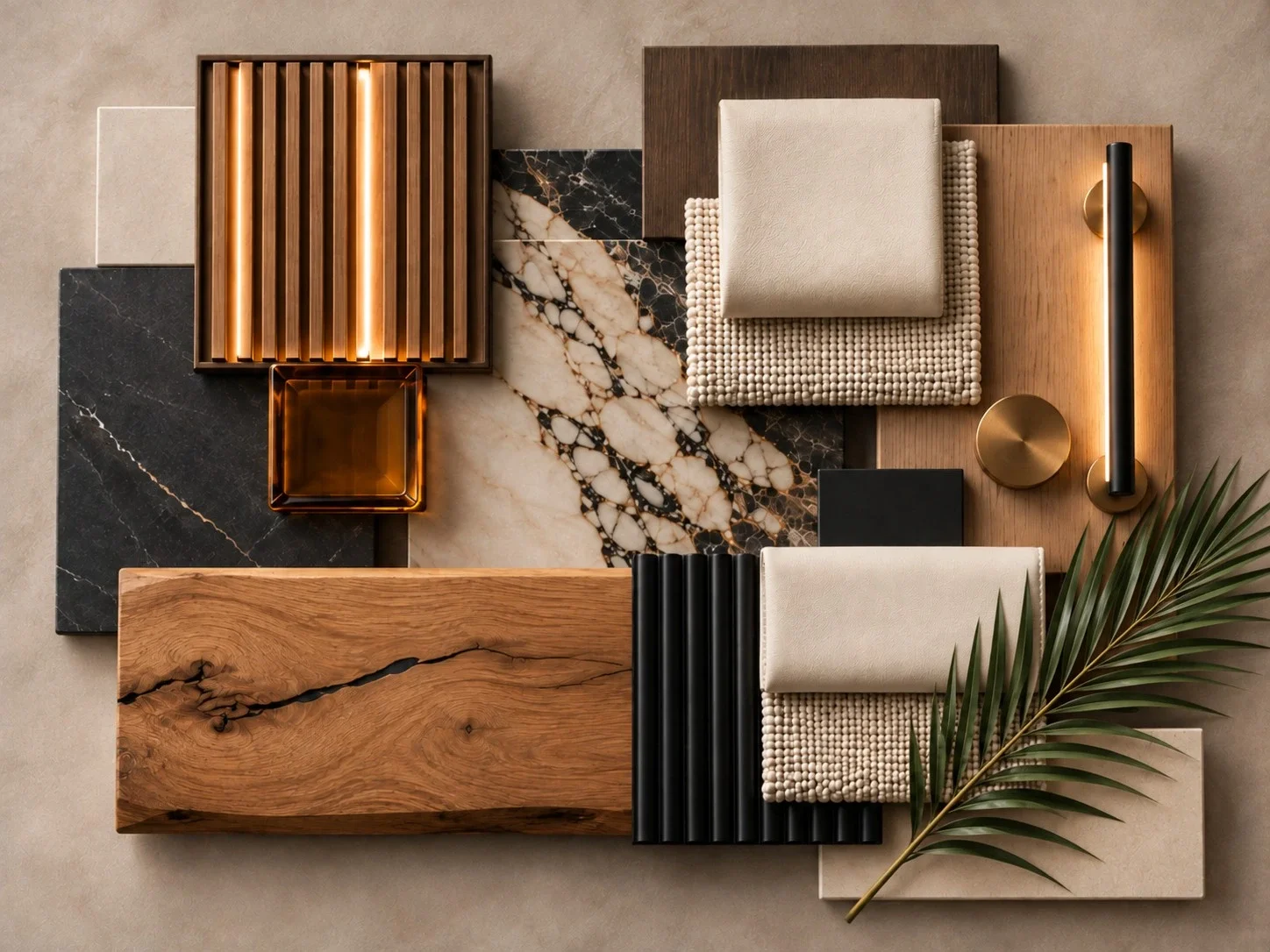
Clients should approve the direction, materials, and major decisions without managing every fabricator or translating information between specialists. Because I manage the project as well as design it, the person who drew the piece is the same person reviewing shop drawings and standing on site at installation. That continuity keeps the client connected to the choices that matter while Domina Design carries the technical process.
When custom fabrication is managed well, the completed element feels inseparable from the architecture. It can be bold and distinctive without exposing the coordination behind it. The process absorbs the complexity so the client experiences the result.
Original work needs experienced coordination
If the right piece does not exist, a skilled team can create it. That requires more than imagination. It requires clear drawings, the right specialists, informed review, and someone who understands how the idea connects to the larger project.
From mood board and bubble diagram through construction, procurement, and installation, Domina Design combines design judgment with hands-on project management. Review the Domina Design portfolio, then start a conversation about a custom piece for your project. The goal is not customization for its own sake. It is to create something appropriate to the client, buildable by the project team, and inseparable from the finished space.
Frequently asked questions
What is custom fabrication in interior design?
Custom fabrication is the development and production of an interior element made specifically for a project. It may include millwork, lighting, screens, railings, ceiling features, furniture, concealed doors, or other details that standard products cannot resolve in the same way.
When is a custom element worth considering?
Custom work is most useful when it solves a specific functional, dimensional, architectural, or experiential need. It should strengthen the room or the way the client lives, not add complexity simply for the sake of being different.
Who coordinates a custom-fabricated interior feature?
Coordination may involve the interior designer, builder, fabricator, architect, engineers, installers, and specialty trades. The designer helps carry the approved idea through drawings, reviews, material decisions, and site coordination so the finished element remains connected to the overall design.
When should custom fabrication begin?
Begin as early as the element's complexity requires. Features that affect framing, blocking, lighting, electrical service, ceilings, walls, delivery access, or adjacent construction should be planned before those conditions are closed or difficult to change.